How to Add Variety to Your Training Without Sacrificing Progress

When people hear “add variety to your workouts,” they often assume it means constantly changing exercises, programs, or training styles. While that can keep things entertaining, it’s also one of the fastest ways to stall progress. Real, measurable results come from consistent work on your primary lifts, paired with intentional variation where it actually matters.
The goal isn’t to reinvent your workouts every week — it’s to create enough novelty to keep your body adapting while still progressing the movements that drive results.
Keep Your Core Lifts Consistent
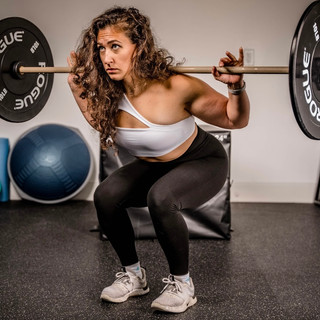
Your core lifts — think squats, hinges, presses, rows, and carries — should remain the backbone of your program. These are the movements you want to progressively load over time. Getting stronger, more efficient, and more confident in these lifts is what builds muscle, improves body composition, and increases overall capacity.
Changing these lifts too frequently makes it difficult to track progress or apply progressive overload. If your squat variation is different every week, it’s nearly impossible to know whether you’re actually getting stronger.
Consistency here is not boring — it’s strategic.
Use Accessory Exercises for Variety
This is where variety actually belongs.
Accessory exercises allow you to change things up without disrupting progress. You can rotate:
Single-leg variations
Different rowing or pressing angles
Tempo, pauses, or ranges of motion
Dumbbells, cables, bands, or machines
These swaps keep training fresh, address weak points, and reduce overuse, all while supporting your main lifts. You’re still training the same movement patterns — just from slightly different angles.
This approach keeps workouts engaging and effective.
Variety Can Exist Without Chaos
Workout formats like circuits, supersets, or short conditioning finishers can absolutely have a place — especially if your goals include endurance, fat loss, or general athleticism. The key is that these formats should complement your primary strength work, not replace it.
Random workouts done exclusively for novelty may feel productive, but they rarely lead to long-term progress. Structure creates results. Variety simply makes that structure sustainable.
Changing Order ≠ Changing Focus
You can also introduce variety by changing the order of your accessory work or alternating emphasis days — without removing your core lifts. For example, your squat might stay first in the workout, but your secondary movements shift based on the training phase.
The priority remains the same: progress the lifts that matter.
Group Workouts Are for Fun — Not the Foundation
Group classes, bootcamps, and specialty workouts can be great for motivation, community, and enjoyment. They’re an awesome supplement to a structured program — especially if they keep you consistent overall.
Just understand this: fun workouts don’t replace focused training. They enhance it.
The Bottom Line
Progress doesn’t come from doing everything — it comes from doing the right things consistently.
Maintain your core lifts so you can track and drive progress. Rotate accessory exercises to keep your body challenged and your mind engaged. Add variety with intention, not randomness.
That’s how you stay consistent, avoid burnout, and actually see results over time.
If you want help structuring workouts that balance progression and variety, that’s exactly how my training programs are built — inside my app and through coaching.


Comments