The Right Balance of Cardio and Strength Training to Optimize Fat Loss
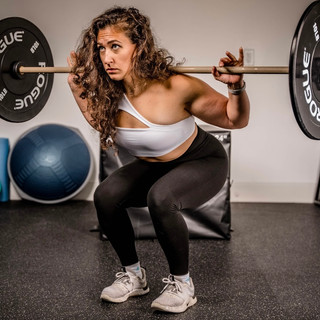

When it comes to achieving fat loss goals, the debate between cardio and strength training often takes center stage. Both types of exercise have unique benefits, and finding the right balance can be the key to optimizing your results. Let’s dive into how to effectively combine these two forms of exercise for maximum fat loss and overall health.
Understanding the Benefits
Cardio is excellent for burning calories and improving cardiovascular health. It helps to increase your heart rate, boost endurance, and can create a caloric deficit essential for fat loss. Activities like running, cycling, and swimming are all effective ways to get your heart pumping. Research shows that cardio can significantly improve heart health and increase overall longevity (Myers et al., 2015).
Strength training, on the other hand, builds muscle and increases your resting metabolic rate. More muscle means you burn more calories at rest, which is crucial for maintaining fat loss. It also improves body composition, helping you look leaner and more toned. A study published in the Journal of Strength and Conditioning Research found that strength training not only enhances muscle mass but also helps regulate body fat levels (Westcott, 2012).
Finding the Right Balance
Assess Your Goals: The right balance between cardio and strength training largely depends on your personal goals. If fat loss is your primary objective, a combination of both can be beneficial. Consider what you enjoy doing; this will increase your adherence to the program.
Incorporate Both Modalities: A well-rounded routine could look like this:
3-4 Days of Strength Training: Focus on major muscle groups with compound exercises like squats, deadlifts, and bench presses. This not only builds muscle but also improves overall strength.
2-3 Days of Cardio: Integrate moderate-intensity steady-state cardio, such as brisk walking or cycling, alongside high-intensity interval training (HIIT) sessions. This variety helps burn calories and improve cardiovascular fitness without overwhelming your body.
Listen to Your Body: It's essential to pay attention to how your body responds to different types of exercise. If you feel fatigued or overly sore, consider adjusting the intensity or frequency of your workouts. Recovery is crucial in any fitness journey.
Focus on Nutrition: Exercise alone won’t lead to optimal fat loss. Prioritize a balanced diet that supports your training efforts. Aim for nutrient-dense foods that fuel your workouts and aid recovery. If you're unsure where to start, consider my nutrition coaching services for personalized guidance.
Conclusion
Finding the right balance between cardio and strength training can significantly enhance your fat loss journey. By understanding the benefits of both and incorporating them into a cohesive plan, you can maximize your results and improve your overall well-being. If you’re looking for tailored support, check out my personal training app, where you’ll find customizable workout plans that suit your needs and lifestyle.
References
Myers, J., Tan, S., Abella, J., & et al. (2015). "Cardiovascular Fitness: A Key to Longevity." The American Journal of Medicine.
Westcott, W. L. (2012). "Resistance Training is Medicine: Effects of Strength Training on Health." Journal of Strength and Conditioning Research.


Comments