Understanding the Process: Why Fat Loss Takes Time

Embarking on a fat loss journey is a common goal, but it’s essential to understand that meaningful change takes time. Many people seek quick fixes, but sustainable fat loss requires patience, consistency, and a solid understanding of how our bodies work.
The Science Behind Fat Loss
First, let’s explore the basics of how fat loss occurs. When you consume fewer calories than your body expends, you create a calorie deficit, prompting your body to use stored fat for energy. However, this process is not as straightforward as it seems. Here are some key factors that influence fat loss:
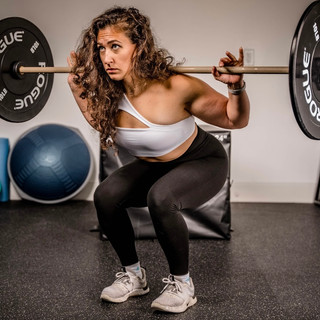
Metabolism: Your metabolic rate plays a significant role in how quickly you can lose fat. Everyone’s metabolism is unique and can be affected by genetics, age, and muscle mass. Building lean muscle through strength training can increase your resting metabolic rate, helping you burn more calories even at rest. Research shows that muscle tissue burns more calories than fat tissue, making strength training a crucial component of any fat loss plan.
Hormonal Balance: Hormones like insulin, cortisol, and leptin are key players in fat storage and loss. Stress, lack of sleep, and poor nutrition can disrupt this balance, making it harder to shed those extra pounds. For instance, elevated cortisol levels due to stress can lead to increased appetite and cravings for unhealthy foods, hindering your fat loss efforts. Prioritizing sleep and managing stress through practices like mindfulness can help regulate hormone levels.
Individual Differences: Everyone's body responds differently to diet and exercise. Factors such as age, sex, genetics, and activity level can all influence how quickly you can expect to see results. Some individuals may lose fat rapidly initially, while others might experience a slower pace. It’s crucial to focus on what works best for you and not compare your journey to someone else's.
Patience and Consistency
Fat loss is not an overnight transformation. Aiming to lose 1-2 pounds per week is a realistic and sustainable goal. Quick fixes often lead to temporary results and can harm your metabolism. Instead of crash dieting or extreme calorie restrictions, focus on making gradual changes that you can maintain over time.
Actionable Insight:Rather than obsessing over the scale, consider other markers of progress. Improved energy levels, better sleep, and increased strength are all indicators that you’re moving in the right direction. Keeping a journal to track these changes can provide motivation and reinforce your commitment.
Creating a Sustainable Plan
To achieve sustainable fat loss, focus on creating a balanced plan that includes:
Nutrition: Aim for a nutrient-dense diet rich in whole foods, including fruits, vegetables, lean proteins, and healthy fats. Consider tracking your food intake to ensure you’re in a calorie deficit while still meeting your nutritional needs. Meal prepping can also be a great way to ensure you have healthy options readily available and to avoid impulsive eating.
Regular Exercise: Combine strength training and cardiovascular workouts to maximize fat loss. Strength training helps build muscle, which can increase your metabolic rate, while cardio burns calories and improves overall cardiovascular health. A balanced routine that incorporates both elements can lead to more effective fat loss and overall fitness.
Mindset: Cultivating a positive mindset and practicing self-compassion can make the journey more enjoyable. Acknowledge that setbacks are a normal part of the process. Instead of viewing them as failures, treat them as learning experiences that can help you adjust your approach moving forward.
Final Thoughts
Understanding that fat loss takes time can help you set realistic expectations and stay committed to your goals. Remember, it’s not just about losing weight; it’s about building a healthier lifestyle that you can maintain for years to come. The journey may be long, but the rewards are worth it.
If you’re looking for personalized guidance on your fat loss journey, consider downloading my personal training app for tailored workouts and nutrition advice. You can also explore my nutrition coaching services to help you create a sustainable and effective plan that fits your lifestyle.


Comments