How to Modify Any Exercise to Fit Your Ability
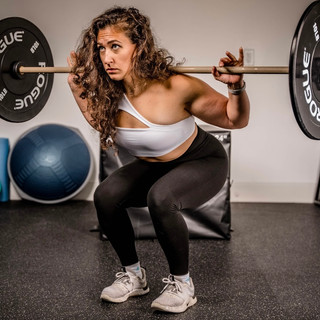
Whether you're new to fitness or returning after a break, it’s essential to understand that everyone’s abilities and limitations differ. Modifying exercises to suit your current fitness level not only prevents injury but also helps you build confidence and ensures a more enjoyable workout experience. Here’s how to modify any exercise effectively:

1. Listen to Your Body
The first step in modifying any exercise is tuning into how your body feels. If an exercise causes discomfort or pain, it’s essential to stop and assess. Pain is a signal that something might not be right. Pay attention to your body’s feedback and make adjustments accordingly.
2. Start with the Basics
If you’re new to an exercise, start with the foundational movements before progressing to more advanced variations. For example, if you’re aiming to do a push-up, begin with wall push-ups or incline push-ups on a bench. This way, you can build strength gradually without overwhelming your body.
3. Adjust the Range of Motion
Modifying the range of motion can make a significant difference in how an exercise feels. For instance, during squats, you can reduce the depth you go. Instead of a full squat, aim for a partial squat where your thighs are parallel to the ground. This allows you to strengthen your muscles without putting too much strain on your joints.
4. Use Supportive Equipment
Incorporating props or supportive equipment can make exercises more accessible. Resistance bands, dumbbells, or stability balls can provide added support and help you maintain proper form. For example, when performing lunges, you can hold onto a chair or wall for balance, allowing you to focus on the movement without fear of falling.
5. Modify the Tempo
Adjusting the speed of an exercise can also help tailor it to your ability. Slowing down a movement can improve control and reduce the risk of injury. For example, if you're doing a plank, hold the position for shorter durations, focusing on form and stability rather than rushing through the exercise.
6. Create Alternatives
Sometimes, an exercise may not be suitable for you at all. In such cases, it’s beneficial to find alternatives that target the same muscle groups. If traditional squats are too challenging, consider seated leg raises or glute bridges as effective alternatives that can be easier to perform.
Conclusion
Modifying exercises is not only a smart way to approach fitness, but it also empowers you to engage in a safe and effective manner. By listening to your body, starting with the basics, adjusting the range of motion, using supportive equipment, modifying the tempo, and finding alternatives, you can tailo
r your workouts to fit your ability.
If you’re looking for personalized guidance on exercise modifications and tailored workouts, my personal training app is designed to help you succeed at your own pace.


Comments